Educational content only. No medical services. No promises of outcomes.
This portal provides theoretical information for educational purposes. It does not offer medical advice, individual recommendations, or guarantees of specific results.
Exploring theoretical foundations of plant-based compounds and their role in supporting physical resilience through educational content.
Educational content only. No medical services. No promises of outcomes.
This portal provides theoretical information for educational purposes. It does not offer medical advice, individual recommendations, or guarantees of specific results.
Physical mobility represents a complex interplay of biological systems that enable human movement. The musculoskeletal framework, comprising bones, connective tissues, and supporting structures, functions through intricate biochemical processes that maintain structural integrity and functional capacity.
Throughout human history, various cultures have observed relationships between dietary patterns and physical capability. Contemporary scientific inquiry continues to examine these connections through biochemical analysis of nutritional components and their theoretical interactions with physiological systems.
This educational resource explores foundational concepts related to botanical compounds, nutritional elements, and their theoretical relevance to maintaining an active lifestyle. The information presented serves purely educational purposes and does not constitute guidance for addressing specific health concerns.
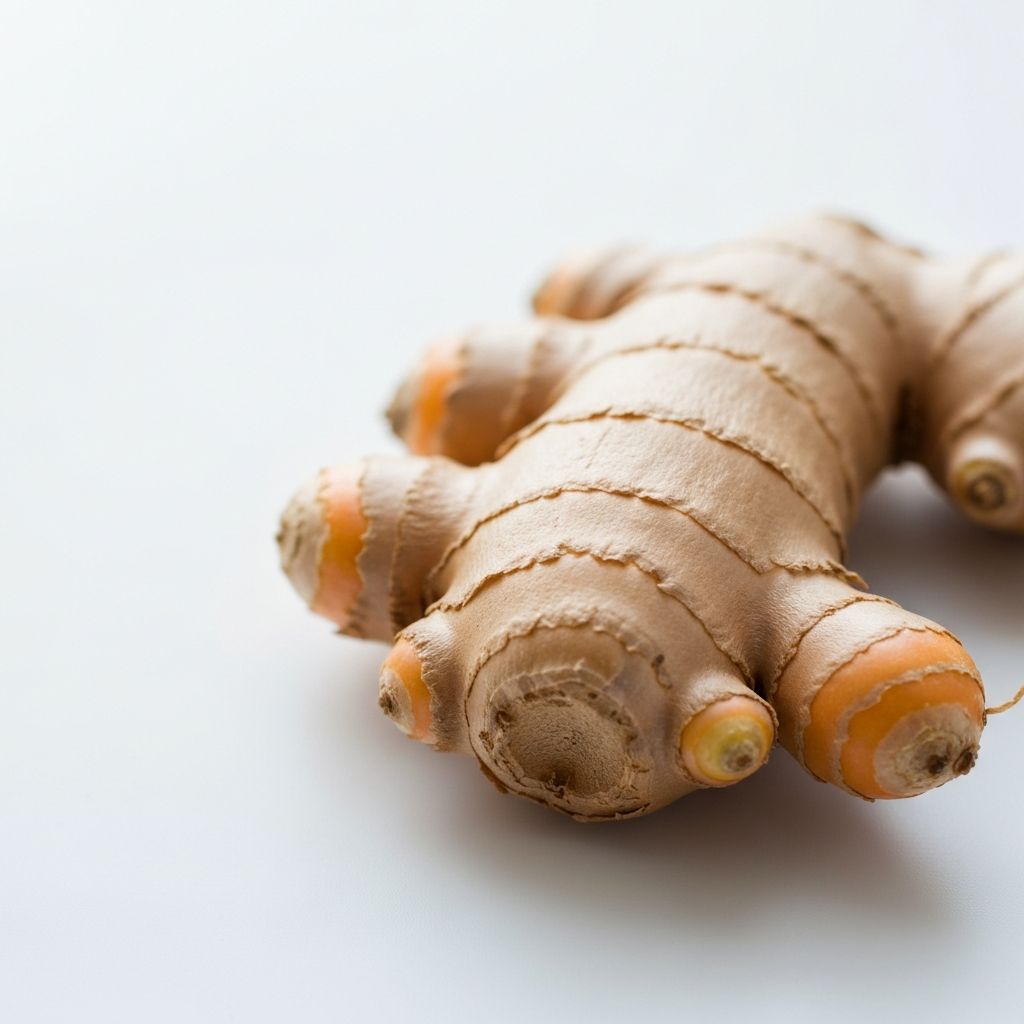
Plant-derived substances contain diverse molecular structures that have been subjects of scientific investigation. Compounds such as curcumin, found in turmeric rhizomes, and boswellic acids from Boswellia serrata resin, exhibit specific chemical properties that researchers continue to study.
Curcumin represents a polyphenolic compound classified as a curcuminoid. Its molecular structure includes conjugated double bonds and phenolic hydroxyl groups. Scientific literature documents curcumin's chemical behavior in various experimental contexts, though its mechanisms in biological systems remain subjects of ongoing research.
Boswellia serrata, commonly referenced in historical texts from the Indian subcontinent and Middle Eastern regions, contains pentacyclic triterpene acids. These organic compounds have been characterized through chromatographic analysis and spectroscopy, revealing complex molecular architectures.
Zingiber officinale contains gingerols and shogaols, phenolic compounds that contribute to its characteristic properties. Chemical analysis reveals these substances possess specific molecular configurations that have attracted research interest in phytochemistry.
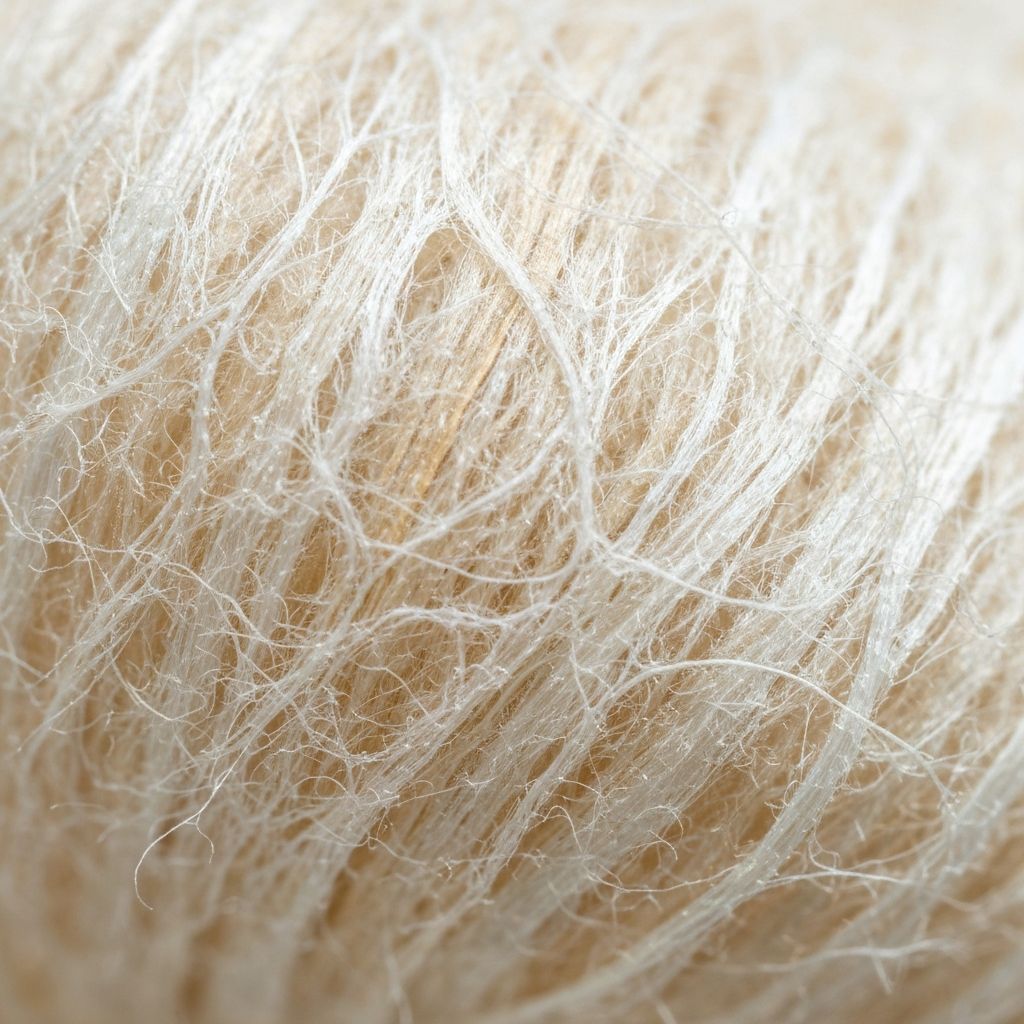
Connective tissue represents a fundamental biological category encompassing diverse structural components. Collagen proteins, proteoglycans, and elastin fibers form complex three-dimensional networks that provide mechanical support throughout anatomical structures.
Collagen molecules consist of polypeptide chains arranged in characteristic triple-helix configurations. Type I collagen predominates in dense connective tissues, while type II appears in cartilaginous structures. The biosynthesis of collagen requires specific amino acids, including glycine, proline, and hydroxyproline, alongside cofactors such as ascorbic acid.
Glycosaminoglycans represent long-chain polysaccharides that interact with core proteins to form proteoglycans. These molecules occupy extracellular spaces and contribute to tissue hydration through their capacity to retain water molecules. Hyaluronic acid, chondroitin sulfate, and keratan sulfate exemplify this molecular class.
Scientific discourse examines how dietary components might theoretically relate to connective tissue composition. Amino acids from protein sources provide building blocks for collagen synthesis. Vitamin C participates as a cofactor in hydroxylation reactions. Minerals such as manganese and copper appear in enzyme systems associated with connective tissue metabolism.
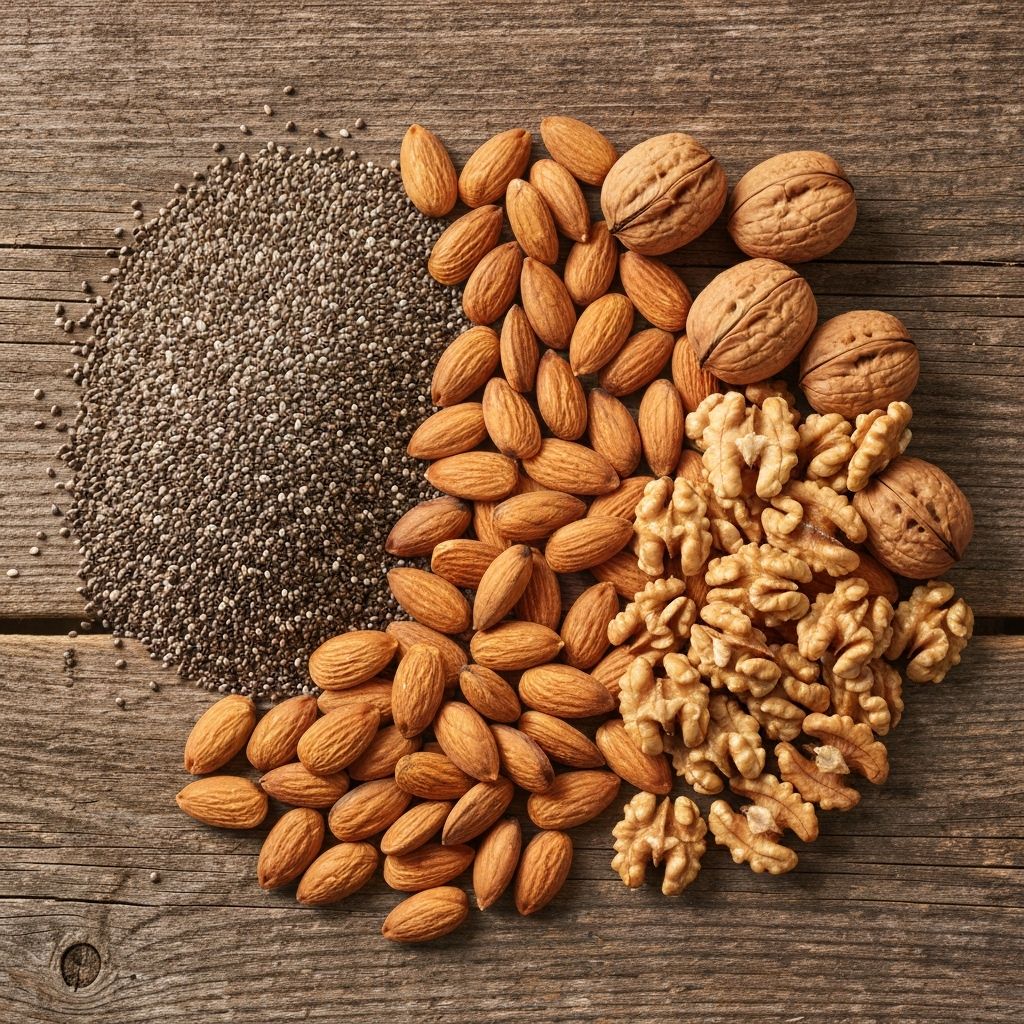
Nutritional science examines relationships between dietary intake and physiological function. For individuals maintaining active routines, understanding macronutrient and micronutrient roles provides theoretical context for dietary planning.
Proteins serve structural and functional roles throughout biological systems. The twenty standard amino acids combine in specific sequences to create diverse protein structures. Essential amino acids must be obtained through dietary sources, as endogenous synthesis does not occur at sufficient rates.
Vitamins and minerals function as cofactors in enzymatic reactions and regulatory processes. Vitamin D relates to calcium metabolism, vitamin K participates in protein modifications, and magnesium serves as a cofactor for hundreds of enzymatic reactions. Zinc, copper, and manganese appear in various metalloenzymes relevant to connective tissue biochemistry.
Omega-3 and omega-6 fatty acids represent polyunsaturated lipids that organisms cannot synthesize de novo. Alpha-linolenic acid and linoleic acid serve as precursors for longer-chain derivatives. These molecules incorporate into cellular membranes and serve as substrates for eicosanoid synthesis.
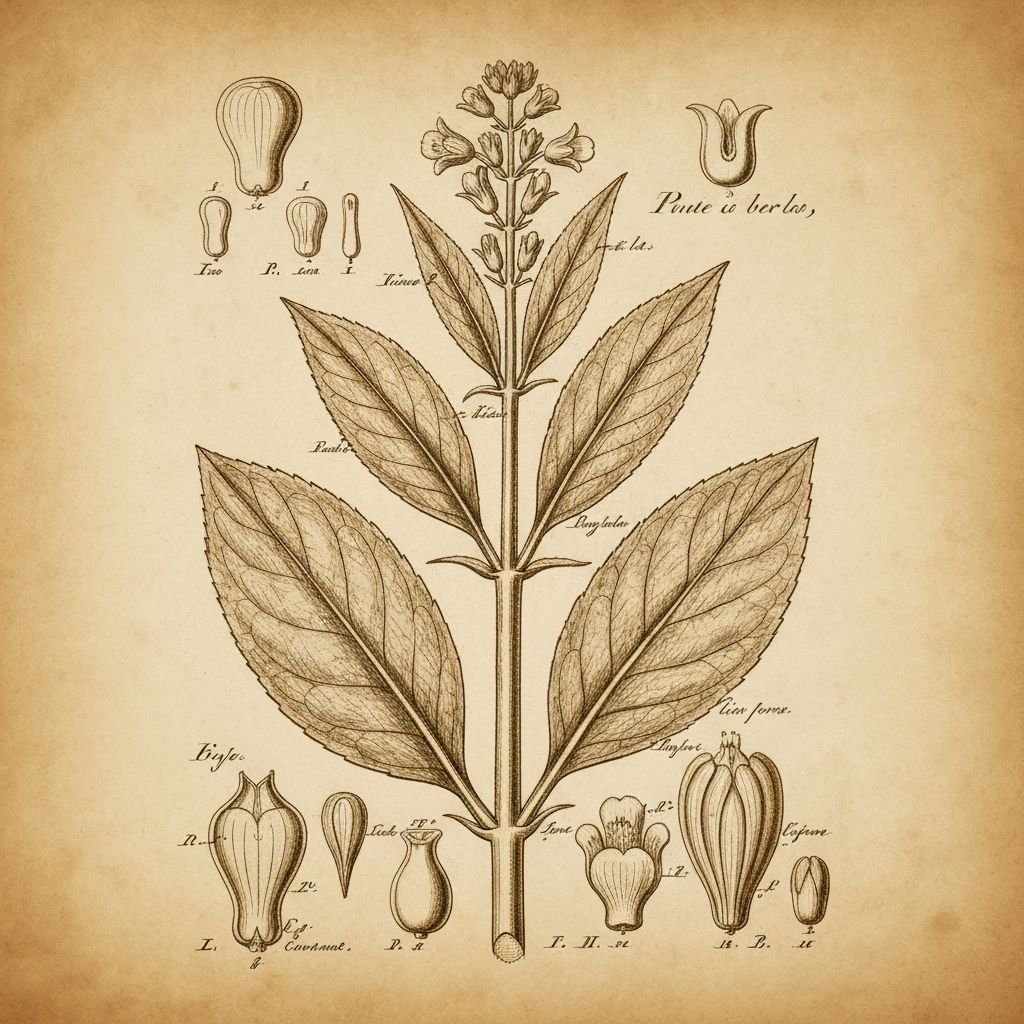
Central European traditions have documented relationships between plants and human usage spanning centuries. Historical texts from the medieval period through the Renaissance describe various botanical applications, though these accounts reflect the knowledge systems of their respective eras rather than contemporary scientific understanding.
The Czech lands possess rich documentation of botanical knowledge. Herbaria compiled during the 16th and 17th centuries catalog native flora including St. John's wort, chamomile, and willow species. These historical records provide insight into how previous generations categorized and conceptualized plant properties.
Medieval monasteries served as centers for botanical study in Central Europe. Monks cultivated medicinal gardens and transcribed classical texts from Greek and Roman sources. Notable examples include the monastery gardens at Strahov in Prague and various Cistercian establishments throughout Bohemia and Moravia.
The 18th and 19th centuries witnessed systematic botanical classification and chemical analysis of plant constituents. Carl Linnaeus's taxonomic system provided a framework for organizing botanical knowledge. Subsequent development of organic chemistry enabled isolation and structural characterization of specific compounds from plant sources.
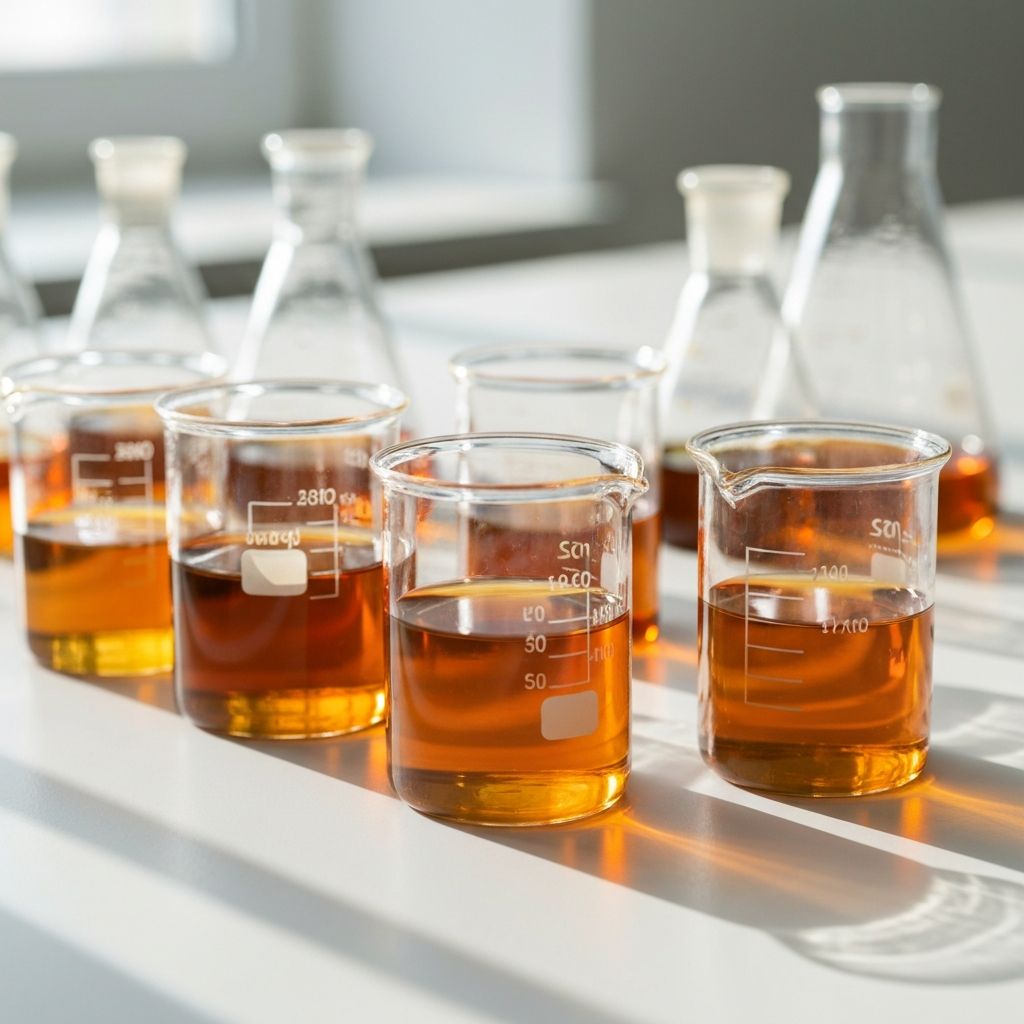
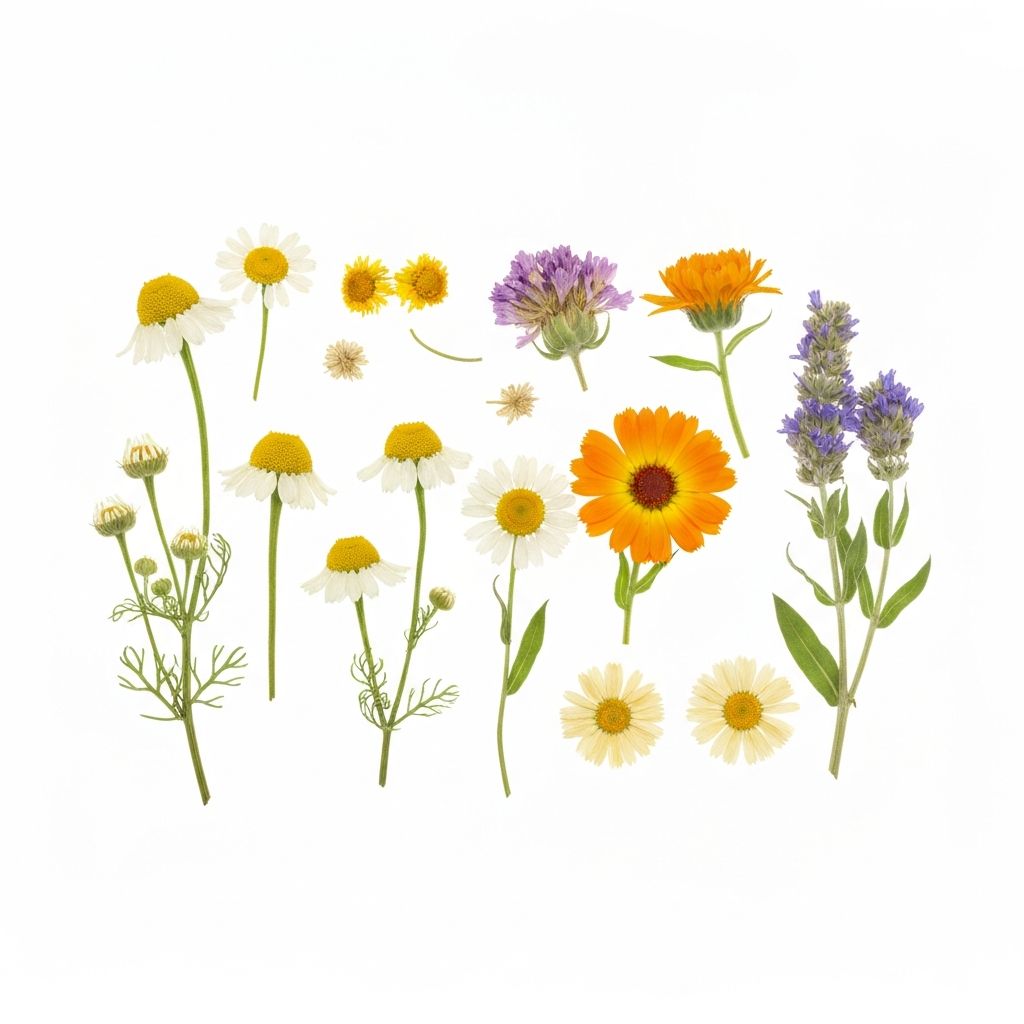
Bioavailability describes the proportion of an ingested substance that enters systemic circulation and becomes available for biological activity. Multiple factors influence this parameter for plant-derived compounds.
Molecular characteristics determine absorption profiles. Lipophilic compounds typically require emulsification for intestinal absorption, while hydrophilic substances may pass through aqueous environments more readily. Curcumin, for instance, exhibits limited water solubility, which affects its absorption characteristics.
First-pass metabolism in intestinal epithelium and hepatic tissue can modify ingested compounds before they reach systemic circulation. Phase I and Phase II enzymatic reactions may alter molecular structures through oxidation, conjugation, or other chemical modifications.
Various approaches have been investigated to improve bioavailability of poorly absorbed compounds. Co-administration with piperine, derived from black pepper, has been studied in relation to curcumin absorption. Lipid-based formulations, nanoparticle encapsulation, and specific extraction methods represent other areas of research.
Genetic polymorphisms affecting metabolic enzymes and transport proteins contribute to inter-individual differences in bioavailability. Gut microbiome composition may also influence how botanical compounds are processed. These factors create variability in how different individuals might respond to identical intake.

International frameworks govern the study and dissemination of information regarding botanical substances. Academic institutions, regulatory agencies, and professional organizations contribute to standardizing phytological knowledge.
Universities worldwide offer degree programs in pharmacognosy, phytochemistry, and related disciplines. These curricula combine botanical taxonomy, organic chemistry, analytical techniques, and theoretical foundations of plant-derived substances. Czech institutions such as Charles University maintain departments dedicated to pharmaceutical botany and pharmacognosy.
Contemporary phytological research employs sophisticated analytical techniques. High-performance liquid chromatography, mass spectrometry, and nuclear magnetic resonance spectroscopy enable precise characterization of plant constituents. Standardization of extracts requires quantification of marker compounds to ensure consistency.
Organizations such as the European Pharmacopoeia Commission establish monographs defining quality standards for botanical materials. These documents specify identification criteria, purity requirements, and analytical methodologies. Such standardization facilitates consistency across different sources and preparations.
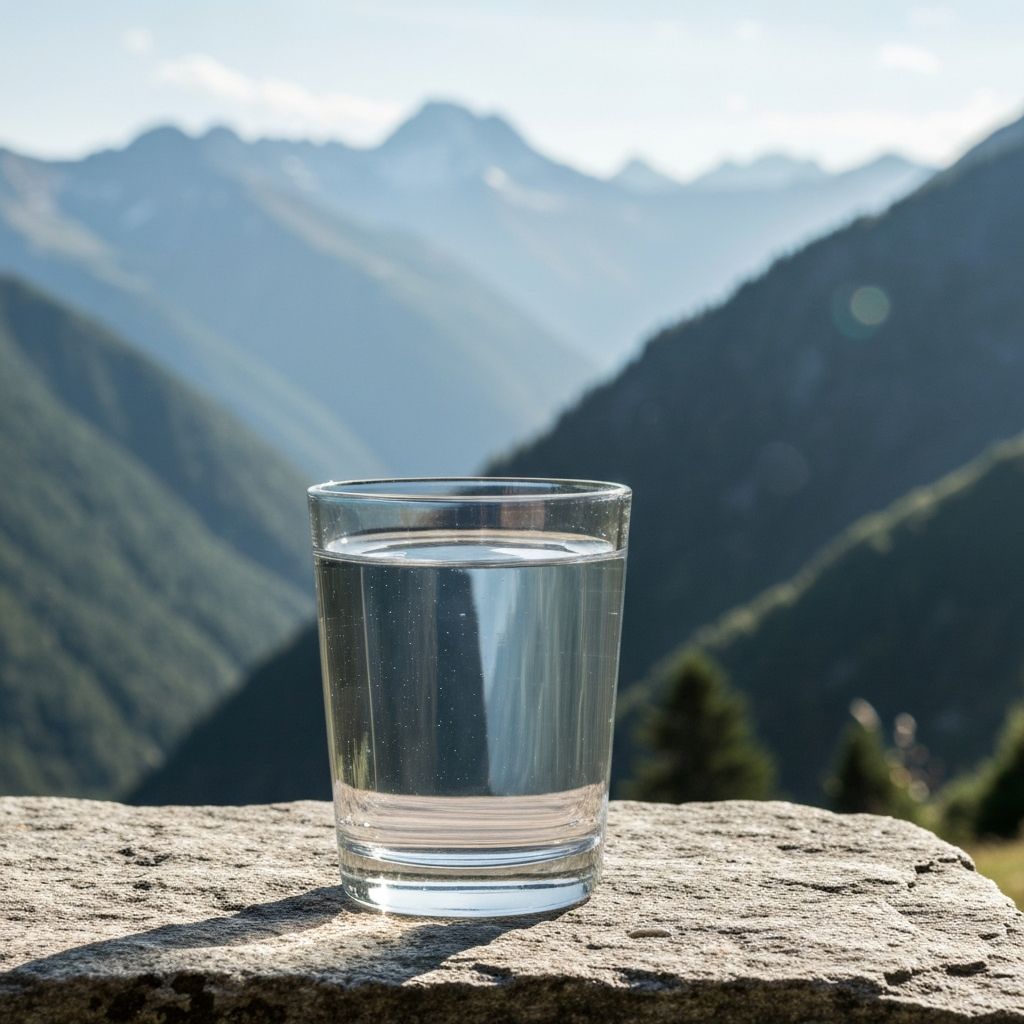
Water represents the most abundant molecular species in biological systems. Its unique physicochemical properties enable numerous physiological processes relevant to physical activity and tissue function.
Cartilaginous structures and other connective tissues maintain high water content. Proteoglycans, particularly aggrecan molecules in articular cartilage, create osmotic gradients that attract and retain water molecules. This hydration contributes to mechanical properties including compressive resilience.
Synovial fluid, present in joint cavities, consists primarily of water along with hyaluronic acid, lubricin, and other molecules. This fluid serves mechanical functions by reducing friction between articulating surfaces. Adequate systemic hydration theoretically supports maintenance of appropriate synovial fluid characteristics.
Physical activity increases metabolic heat production, necessitating thermoregulatory responses including perspiration. Fluid losses through sweat require replacement to maintain homeostasis. The relationship between hydration status and physical performance has been extensively documented in exercise physiology literature.
The concept of dietary supplementation involves consuming concentrated forms of nutrients or other substances beyond typical food intake. Botanical supplements represent a subset of this category, derived from plant materials through various extraction and processing methods.
Manufacturing botanical supplements involves multiple steps from raw plant material to finished product. Initial processing may include drying, grinding, and extraction using solvents such as water, ethanol, or supercritical carbon dioxide. Subsequent concentration and standardization aim to achieve consistent composition.
Variability in botanical supplements can arise from multiple sources. Plant materials differ based on species, cultivar, growing conditions, harvest timing, and geographical origin. Processing methods affect final composition. Third-party testing and certification programs attempt to verify product identity and purity.
Different jurisdictions apply distinct regulatory approaches to botanical supplements. The European Union categorizes many as food supplements under Directive 2002/46/EC. Member states may impose additional requirements. In the Czech Republic, supplements fall under food law rather than pharmaceutical regulation, creating specific compliance obligations.
Contemporary discourse regarding wellness encompasses multifaceted concepts extending beyond absence of disease to include physical, mental, and social dimensions of wellbeing. This holistic perspective recognizes interconnections between lifestyle factors, environmental influences, and individual circumstances.
Regular physical activity represents a well-documented factor associated with numerous health parameters. Different forms of exercise engage various physiological systems. Resistance training relates to muscular strength and mass, cardiovascular exercise to cardiorespiratory fitness, and flexibility work to range of motion. Nordic walking, popular in Central European countries including the Czech Republic, combines cardiovascular activity with upper body engagement.
Nutritional epidemiology examines relationships between dietary patterns and health outcomes at population levels. Mediterranean dietary patterns, characterized by plant-based foods, olive oil, and moderate fish consumption, have been extensively studied. Traditional Central European cuisines incorporate root vegetables, whole grains, and seasonal produce, reflecting regional agricultural patterns.
Access to natural environments correlates with physical activity levels in observational studies. The Czech Republic's landscape, including national parks, hiking trails, and spa regions, provides opportunities for outdoor activities. Social support networks and community structures also relate to maintenance of healthy behaviors.
This portal serves exclusively educational purposes, providing theoretical information about phytological elements, botanical compounds, and nutritional concepts. It does not offer medical advice, diagnosis, or recommendations for specific health conditions.
No. The information presented here is purely educational and theoretical. It does not constitute medical advice and should not be used as a basis for making decisions about health concerns. Individuals should consult qualified healthcare professionals for personalized guidance.
This portal describes chemical properties and theoretical aspects of botanical substances. It does not make claims about their efficacy for specific conditions. Scientific research on phytochemical compounds continues to evolve, and definitive conclusions regarding many substances remain subjects of ongoing investigation.
No. This content is not intended for self-diagnosis or self-management of health concerns. Educational information about biochemistry and nutrition does not replace professional medical evaluation and guidance.
While this portal originates from the Czech Republic and includes references to Central European botanical traditions, the scientific information presented draws from international research and applies to understanding phytological concepts globally.
The content regarding supplements presents theoretical frameworks, quality considerations, and regulatory contexts. It does not recommend specific products or suggest that supplementation is necessary or beneficial for any particular individual. Decisions about supplement use should involve consultation with qualified professionals.
This portal provides information for educational purposes only.
The content does not constitute medical advice, diagnosis, or individual recommendations. Approaches to wellness vary widely across individuals and circumstances. Information presented here does not replace personalized guidance from qualified healthcare professionals.
Botanical compounds and nutritional supplements affect individuals differently based on genetic factors, health status, concurrent substances, and numerous other variables. Historical usage and theoretical biochemistry do not guarantee specific outcomes.
Explore comprehensive background information about phytological elements and botanical nutrition concepts.
View Full InformationAddress:
Vinohradská 151/28
120 00 Praha 2-Vinohrady
Czechia
Phone: +420 221 662 408
Email: [email protected]